
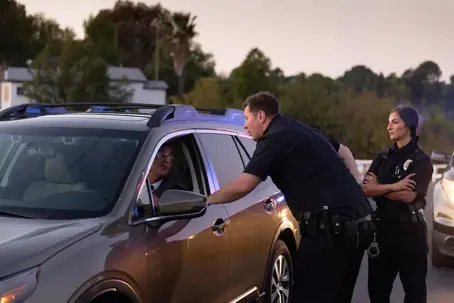
It’s not common for police to stop someone for a routine DWI and make an additional arrest for Possession of Controlled Substances. Yet it does happen. Often police officers claim they smell the odor a marijuana when they stop a suspected drunk driver and try to search the vehicle for contraband. Police officers may also claim they have to do an “inventory search” of the vehicle before impounding the vehicle after arresting the driver. Sometimes police officers see what they believe to be controlled substances in “plain view” inside the vehicle that they stop for drunk driving.
It’s a common practice in “high crime areas” for officers to do what’s called a “Terry frisk” during an investigation. Many legal scholars also point out that a “high crime area” is basically were poor people live. This comes from a famous US Supreme Court case called Terry v. Ohio. This allows police officers to pat the outside clothing of people being detained at the scene of an investigation for possible weapons. It’s supposed to be for officer safety. Yet many police officers use it as an excuse to feel for illegal drugs. It’s basically a lot easier to accuse someone of “possession” of something police find in their pockets.
So what is “possession”? Texas Penal Code Section 1.07(a)(39) defines “possession” as “actual care, custody, control, or management”. My favorite argument is that “possession” of controlled substance should be like a wide receiver in a football game having “possession of the ball. This means two hands on the ball and two feet in bounds. Naturally most prosecutors disagree with my interpretation. It’s important to point out that “ownership” and “possession” are two different things under our laws. You can own a car for example. Yet you may not be in “possession” for sometime a friend, family member, or co-worker left in your car. A common defense when police find controlled substances in a car is, “I didn’t know it was there”. How can you legally possess something you didn’t know about?
So why would prosecutors and police officer charge someone with Possession of Controlled Substances instead of Driving While Intoxicated? Often prosecutors think it’s easier for them to prove a Possession of Controlled Substance case than a Driving While Intoxicated. Yet the main reason is because Possession of Controlled Substance is a more serious offense. Most Driving While Intoxicated cases are misdemeanors. Most Possession of Controlled Substance cases are felonies. This means prosecutors have more leverage to push someone accused of a crime to waive a jury trial and take a plea deal when there’s a felony conviction and possible pen time on the line.